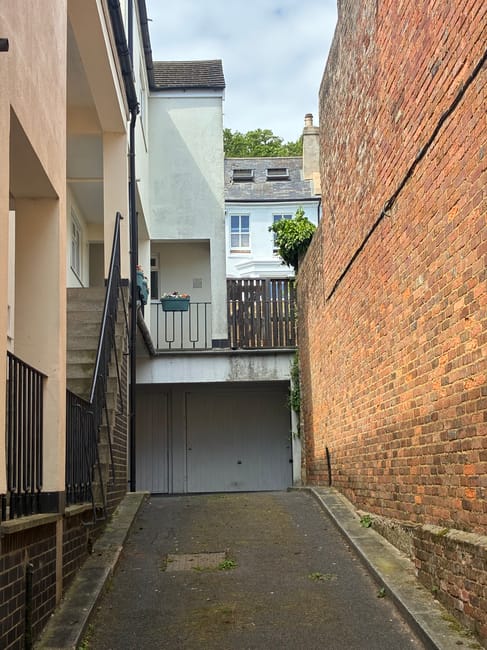
Whetstone Barnet removals insider tips for narrow driveways
If you are moving in Whetstone or the wider Barnet area, a narrow driveway can turn a perfectly ordinary removal day into a bit of a puzzle. The van is booked, the boxes are packed, and then you realise the front of the house is tight, the neighbour parks a little too close, and the turning space is... well, optimistic. That is exactly where Whetstone Barnet removals insider tips for narrow driveways become useful. Not theory. Real-world, practical advice for getting furniture out safely, keeping the move on schedule, and avoiding those awkward last-minute scrambles that nobody enjoys.
In this guide, you will learn how narrow-driveway moves actually work, what removal teams look for before they arrive, and the small decisions that make a big difference. We will cover planning, access checks, vehicle choice, packing strategy, and the common mistakes that cause delays. There is a reason seasoned movers sound calm when others are stressed - they have usually seen the same tight entrance, awkward bend, or low wall before. And yes, it is fixable more often than people think.
If you are comparing service options as well as planning the access, you may also find it helpful to look at home moving support, house removalists, or a flexible man and van service depending on the size and complexity of the job.
Table of Contents
- Why this matters on narrow driveways
- How the move works in practice
- Key benefits and practical advantages
- Who this is for and when it makes sense
- Step-by-step guidance
- Expert tips for better results
- Common mistakes to avoid
- Tools, resources and recommendations
- Law, compliance, standards, or best practice
- Options, methods, or comparison table
- Case study or real-world example
- Practical checklist
- Conclusion
- Frequently asked questions
Why Whetstone Barnet removals insider tips for narrow driveways Matters
Narrow driveways are not just a minor inconvenience. They can affect how a removal vehicle parks, whether the crew can use a trolley, how quickly heavy items can be loaded, and whether anything needs to be carried from the street instead of from the front door. In practical terms, access shapes almost everything.
In Whetstone and nearby parts of Barnet, you often see a mix of older terraces, semi-detached homes, shared forecourts, and modern properties where the driveway looks fine at first glance but is really better suited to a car than a long wheelbase van. Add low branches, tight corners, or a parked car from next door, and suddenly the move needs a different approach. That is why local knowledge matters. Not in a vague marketing way - in the real, sweaty, "where exactly can we stand this?" sort of way.
A well-planned narrow-driveway move reduces:
- damage to walls, gates, paving, and vehicle bodywork
- unnecessary carrying distance for heavy items
- stress on moving day
- the risk of delays caused by poor access planning
- confusion over whether a larger removal truck can safely approach the property
It also helps you decide whether the right setup is a small man with van option, a fuller home move service, or something more specialised such as removal truck hire. To be fair, the right answer is often not the biggest vehicle. It is the one that fits your street, your property, and your furniture.
How Whetstone Barnet removals insider tips for narrow driveways Works
The basic idea is simple: if a large van cannot safely enter or reverse into the driveway, the move is planned around controlled access rather than hoping for the best. The crew will usually assess turning space, slope, width, gate clearance, and whether they can park close enough to make loading efficient. If not, they will switch to a roadside load, shuttle system, or smaller vehicle.
Here is what typically happens on a well-run move:
- Access is checked before move day. This may be done from photos, a quick call, or a short site visit. Measurements help, but photos can tell you more than numbers alone.
- The best vehicle is selected. Sometimes a medium van is better than a larger truck because it can park closer without blocking the street or scraping a wall.
- Loading order is planned. Large, awkward items go first, but only if they can be carried safely from the property to the vehicle.
- Protection is put in place. Blankets, corner guards, floor runners, and straps are used to reduce knock-on damage. Not glamorous, but absolutely worth it.
- Manual carrying or trolley runs are arranged. If the driveway is too tight, the crew may move items from the front door to the vehicle in stages.
For smaller jobs or short-notice access issues, many people use a man and van service because it gives more flexibility for awkward streets and partial loads. For larger family relocations, a full home moves service may be better, especially if there are stairs, heavier furniture, or fragile items.
Sometimes the trick is not the driveway itself. It is the approach to it. A van can often work if it parks slightly offset, or if loading happens from the road with a sensible cone or parking plan. Simple, yes. But not always obvious when you are standing in the hallway holding a dismantled bed frame and trying not to panic.
Key Benefits and Practical Advantages
Good narrow-driveway planning is not just about avoiding problems. It gives you a more controlled move from start to finish. The benefits are small individually, but together they make the day smoother.
- Less handling of heavy items. The closer the van can get, the fewer unnecessary lifts there are.
- Lower chance of damage. Fewer awkward turns mean fewer chances to graze the gate post or catch a sofa on a step.
- Better time management. A move that starts with clear access expectations usually runs more predictably.
- Less neighbour friction. Nobody likes blocking a shared street for longer than needed.
- More accurate planning. You can choose the right crew size, truck size, and packing approach before the day arrives.
There is also a financial angle, though it is best not to overstate it. Access problems can increase labour time, and time is usually where moving budgets drift. If the team has to carry items much further than expected, or make repeated shuttle runs, the job can become slower. That is why early conversations matter. A clear access description is often worth more than another paragraph of generic reassurance.
If you are moving a home office, studio setup, or small business equipment, you may also want to review commercial moves or office relocation services because access problems in business settings are often even more time-sensitive.
Expert summary: Narrow driveways are rarely a deal-breaker. They are usually a planning issue. The more accurately you describe access, the more likely your move will run safely, quickly, and without those annoying surprises that appear at 7:30 in the morning.
Who This Is For and When It Makes Sense
This approach is useful for anyone whose property access is less than straightforward, but it is especially relevant if you are in a residential street where parking is tight or driveways are short, curved, shared, or partly obstructed. Whetstone has plenty of homes where the front path is lovely, but the van situation is another story entirely.
It makes sense if you are:
- moving from a terraced or semi-detached house with limited frontage
- dealing with a driveway that is narrower than a standard removal vehicle
- sharing access with neighbours
- moving bulky furniture, such as wardrobes, sofas, or beds
- planning a same-day move where efficiency matters
- trying to minimise disruption on a busy street
It is also relevant if you are not moving the whole house at once. For example, if you only need a few pieces collected from storage or from one property to another, furniture pick-up can be a neat fit, especially when the access is tight and the load is manageable.
If you are relocating a larger property or want a team that can handle the full packing, lifting, and final placement of items, a more complete service such as packing and unpacking services can save a lot of faff. Honestly, the best-fit option is often the one that matches the real shape of your move, not the one that sounds biggest.
Step-by-Step Guidance
Below is a practical way to handle a narrow-driveway move without turning it into a logistical drama.
1. Measure the access properly
Measure the narrowest part of the driveway, gate opening, and turning area. Also note anything that reduces space, like bins, hedges, railings, or a low wall. A quick tape measure check is useful, but photos from the driveway entrance looking inward can be even better.
2. Take photos from multiple angles
Send clear pictures of the driveway, street approach, front door, and any awkward bends. Include a shot showing where a van might have to stop. A picture of the full path from road to house can reveal more than a dozen optimistic words.
3. Decide where the vehicle will actually park
Do not assume the van will fit on the drive. Plan for the most realistic parking position, even if that means loading from the street. If the road is narrow, consider whether a smaller van or a staged loading plan would work better.
4. Separate the bulky pieces early
Put sofas, mattresses, wardrobes, and white goods together mentally and physically. If you know the large items first, the movers can plan the route and reduce last-minute rearranging. This is where people often discover that the bedroom mirror has no sensible path out. Happens all the time.
5. Prep the property for safe movement
Remove trip hazards, secure pets, park your own car elsewhere, and keep the path to the front door clear. If the driveway is used for access, make sure gates can be opened fully and easily. Sticky latch? Fix it before move day, not during it.
6. Protect fragile boundaries
If the driveway edges are close to walls, fences, or decorative planting, place temporary protection where possible. Movers often bring blankets or padding, but it helps if the environment is ready too.
7. Confirm the contingency plan
Ask what happens if the van cannot enter, or if the driveway turns out to be too tight on the day. A good team will already have a Plan B: roadside load, smaller vehicle, or additional carrying assistance.
8. Keep communication simple on the day
One contact person, clear instructions, no chaos. If neighbours need to move cars, deal with that early and politely. A calm five-minute conversation usually beats a ten-minute crisis in the front garden.
Expert Tips for Better Results
Here is where the little details matter. These are the tips that often save time, protect furniture, and stop a difficult access point from becoming a full-blown headache.
- Use a smaller vehicle if it improves proximity. A van parked closer is usually better than a bigger truck parked awkwardly down the road.
- Disassemble furniture before the movers arrive. Bed frames, tables, and some wardrobes are far easier to move in sections.
- Keep the heaviest items closest to the exit. That shortens carrying distance and helps the team load efficiently.
- Label awkward items clearly. "Fragile," "this side up," and "do not crush" are simple, but they help.
- Think about weather. A wet driveway can be slippery, especially with ramps or heavy trolleys. In a drizzle, everything takes a touch longer.
- Plan for street parking early. If access may require loading from the road, remove your own vehicle the night before if possible.
- Share the real problem, not the polished version. If a gate sticks, say so. If the kerb is awkward, say that too. No one wants the surprise version on moving day.
A small but valuable insight: the tightest part of a move is often not the driveway itself but the human decision-making around it. Once everyone agrees on the access plan, the tension drops. You can almost feel it. The whole day gets lighter.
For people who want a more hands-off move, especially when stairs, boxes, and access issues are all in the mix, pairing transport with packing and unpacking services can reduce stress enormously. If you are only moving a moderate load and want something nimble, man with van remains a sensible option too.
Common Mistakes to Avoid
Narrow-driveway moves tend to go wrong in predictable ways. Luckily, most of them are easy to avoid.
- Underestimating width. People often measure the open gate, not the actual turning space or the tightest point.
- Forgetting about overhang. Tree branches, window sills, and wall lights can be just enough to cause trouble.
- Assuming a large truck is always better. It is not. Sometimes bigger means slower and less flexible.
- Leaving all parking decisions until the morning. By then, half the street may already be occupied.
- Not telling the removals team about slopes or steps. A shallow slope can still be awkward with heavy furniture.
- Packing too late. If boxes are still being sealed when the van arrives, access problems feel ten times worse.
- Ignoring neighbour access. Shared drives and tight residential roads often depend on goodwill, so be considerate.
One of the most common errors, truth be told, is simply optimism. It is easy to look at a driveway in daylight and think, "That should be fine." Then the van arrives, the angle is wrong, and reality quietly disagrees. Better to be slightly cautious than surprised.
Tools, Resources and Recommendations
You do not need a professional toolkit to manage a narrow-driveway move, but a few items and habits help a lot.
- Tape measure: useful for checking gate widths, turning points, and furniture dimensions.
- Phone camera: take wide-angle photos of the access route and send them before the move.
- Furniture blankets and straps: these are standard protective items on many removals.
- Gloves and sturdy shoes: especially important when carrying items over uneven paving or wet surfaces.
- Clear labels: useful for fragile items and boxes that need to stay upright.
- Floor protection: helpful if items must pass through a hall or porch repeatedly.
If your move involves larger loads, a dedicated moving truck may still be the right choice, but only if access allows it. If not, a smaller vehicle or a mixed approach can be far smarter. And if you are moving a lot of household contents at once, a full house removalists service can bring the extra manpower that makes awkward access less stressful.
As a general rule, ask for solutions rather than just a quote. Good teams think in terms of access, lifting, protection, and timing. That mindset matters more than a shiny vehicle photo, nice though those are.
Law, Compliance, Standards, or Best Practice
Narrow-driveway moves are not usually a legal minefield, but there are still a few sensible standards and best-practice points to keep in mind. In the UK, moving safely and responsibly means paying attention to road obstruction, parking rules, property access, and manual handling. You do not need to become a legal expert, thankfully, but you should expect the removals team to act carefully and professionally.
Good practice usually includes:
- parking in a way that does not create avoidable danger or obstruction
- handling items safely to reduce the risk of injury or damage
- respecting private property, shared drives, and neighbour access
- using suitable equipment for the load and the space available
- making realistic judgments about whether a vehicle can safely enter the driveway
If you live on a street with limited parking, it is sensible to plan ahead so the vehicle does not end up causing unnecessary disruption. That might mean temporary roadside loading, using a smaller vehicle, or coordinating the move time more carefully. There is no prize for squeezing a van into a space it was never meant to fit. None at all.
For clarity on booking terms, service expectations, and how the move is handled commercially, you can review the company's terms and conditions and privacy policy before confirming your job. If you want to learn more about the business itself, the about us page is also useful.
Options, Methods, or Comparison Table
Different access problems call for different solutions. Here is a simple comparison to help you judge what may fit best.
| Method | Best for | Strengths | Trade-offs |
|---|---|---|---|
| Small van / man and van | Short moves, awkward streets, lighter loads | Flexible, easier to park, often quicker to adapt | May need more trips for larger loads |
| Medium removal vehicle | Family home moves with moderate access | Balanced capacity and manoeuvrability | Still depends on road width and turning space |
| Large removal truck | Spacious access and bigger volumes | Efficient for full-house moves | Less suitable for tight driveways or narrow streets |
| Roadside load with trolley runs | Very tight drives, blocked access, shared entries | Works even when the vehicle cannot enter | More carrying distance and time required |
What is best? It depends on the property, not the brochure. A neat little driveway with a tight bend can be more troublesome than a long straight street. Sometimes the elegant solution is the boring one: park sensibly, carry carefully, and don't force it.
If the move is small but valuable, a service focused on furniture pick-up can be ideal. If the job is more commercial, a commercial moves setup may be more appropriate because businesses often need different timing and loading priorities.
Case Study or Real-World Example
Picture a typical Whetstone property: a semi-detached house, a short driveway, a gate that opens inward, and a neighbour's car parked just a little too close to the boundary. The homeowner is moving a sofa, a king-size bed, a dining table, and several boxes. On paper, it sounds straightforward. In practice, the driveway looks usable only if you stand in exactly the right place and squint a bit.
Instead of trying to force a large truck into the drive, the team checks access in advance using photos. They confirm the vehicle will park partly on the road, not on the driveway. They ask the homeowner to clear the hallway, remove the car the night before, and disassemble the bed frame. On the day, the movers carry items in a controlled sequence: sofa first, then mattress, then boxed items, then the dismantled frame. No drama. No scratched wall. No running back to fetch a forgotten screw bag while everyone is already tired.
What made the difference? Three things: early access checks, honest communication, and choosing the right vehicle for the job. That is the pattern in a lot of successful narrow-driveway moves. Nothing magical, just good judgment and decent planning.
And yes, there is always one box that ends up being heavier than expected. That seems to be a universal law of moving.
Practical Checklist
Use this checklist a few days before moving day. It is simple, but it catches the things people tend to forget when the packing begins to take over the house.
- Measure the driveway, gate, and narrowest access point
- Take clear photos of the approach, entrance, and parking area
- Confirm whether the vehicle can enter, reverse, or only load from the street
- Remove your car and ask neighbours to avoid blocking access if relevant
- Disassemble large furniture where possible
- Label fragile or awkward items
- Keep the path from door to vehicle clear
- Protect floors, corners, and any vulnerable surfaces
- Confirm the backup plan if access proves tighter than expected
- Share any slope, step, or turning issues with the movers in advance
If you only do one thing from this list, make it the photos. They save a lot of back-and-forth and help the removals team picture the real situation before they arrive.
Get a free quote today and see how much you can save.
Conclusion
Narrow driveways do not have to ruin a move. In fact, with the right planning, they are usually just another access challenge, not a crisis. The main trick is to be honest about the space, choose a vehicle that fits the property rather than your hopes, and prepare the route so the team can work efficiently and safely.
Whether you need a full household relocation, a smaller flexible service, or careful help with awkward furniture, the best outcome comes from matching the move to the access. That is the real insider tip, if we strip away the noise. Measure well, communicate clearly, and keep the plan practical. The rest tends to follow.
And when the last box is inside and the front path is clear again, it is a surprisingly good feeling. Tired, yes. But good.
Frequently Asked Questions
Can a removal van usually fit on a narrow driveway in Whetstone?
Sometimes, yes, but it depends on the width, turning space, gate opening, and any obstacles such as walls or parked cars. The safest approach is to measure and share photos before booking.
What should I measure before a narrow-driveway move?
Measure the driveway width, gate clearance, turning area, slope, and any tight corners. Also check the path from the front door to where the vehicle would stop.
Is it better to use a smaller van for a tight property?
Often, yes. A smaller van may park closer and make loading easier, even if it means a slightly different loading plan. Bigger is not always better on tight access.
What happens if the van cannot get onto the driveway?
The team may load from the street, use a shuttle plan, or switch to a more suitable vehicle if available. That is why a backup plan is so useful.
How do I prepare furniture for a move with limited access?
Disassemble large items where possible, remove loose parts, and keep screws or fittings in labelled bags. This reduces carrying difficulty and speeds up loading.
Should I tell the removals company about a shared driveway?
Absolutely. Shared access changes parking, timing, and communication needs. It is one of those details that sounds small but can change the whole plan.
Are man and van services good for narrow driveways?
They can be a very good fit, especially for smaller or more flexible moves. The key is whether the vehicle size and carrying approach match the access conditions.
What if the driveway is steep as well as narrow?
Tell the team in advance. A steep driveway can make wheeling items harder and may influence whether the vehicle should park on the road instead.
How far in advance should I discuss access issues?
As early as possible. Ideally, mention it when requesting the quote so the move can be planned properly from the start rather than adjusted at the last minute.
Can packing help with narrow-driveway removals?
Yes. Good packing makes items easier to carry, protects fragile pieces, and reduces delays. Services such as packing and unpacking can be especially helpful when access is tight.
Is there a way to reduce neighbour disruption on a narrow street?
Yes. Keep loading efficient, move your own car early, give neighbours notice if needed, and avoid blocking access longer than necessary. A bit of courtesy goes a long way.
When should I choose a full house removal service instead of a smaller option?
If you have a larger volume, heavy furniture, multiple rooms, or limited time, a full service is usually more practical. For smaller loads or more awkward access, a flexible service may be better.
In short, narrow driveways are manageable when you plan around the space instead of fighting it. And that, more than anything, is what keeps a move calm, tidy, and oddly satisfying in the end.