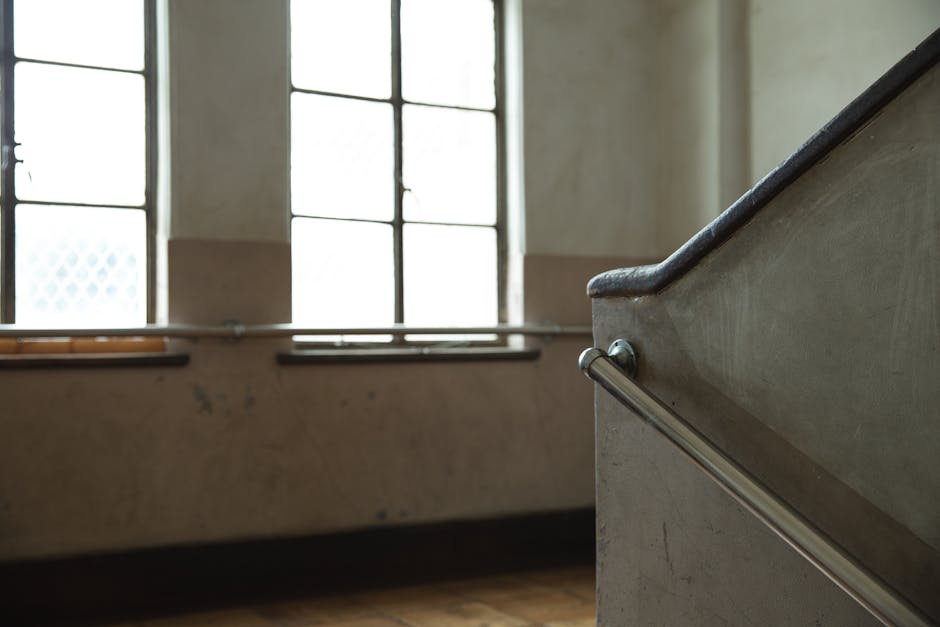
Preventing stairwell scuffs in Barnet flats: a practical guide for smoother, cleaner moves
If you have ever carried a sofa up a narrow stairwell and heard that horrible scrape against the wall, you will know why preventing stairwell scuffs in Barnet flats matters. It is not just about keeping paintwork tidy. It is about avoiding awkward conversations with neighbours, preserving communal areas, and making a move feel calm instead of chaotic. Barnet flats can be particularly tricky: tight corners, older staircases, limited landings, and shared entrances all raise the risk. The good news? With a bit of planning and the right moving approach, most scuffs are entirely avoidable.
This guide walks through what causes stairwell damage, how to prevent it, what tools and methods actually help, and when it makes sense to bring in experienced help. If you are planning a home move or arranging a bulky furniture lift, you will find practical steps here that are grounded in real-world moving conditions, not vague theory.
Table of Contents
- Why preventing stairwell scuffs in Barnet flats matters
- How preventing stairwell scuffs in Barnet flats works
- Key benefits and practical advantages
- Who this is for and when it makes sense
- Step-by-step guidance
- Expert tips for better results
- Common mistakes to avoid
- Tools, resources and recommendations
- Law, compliance, standards, or best practice
- Options, methods, or comparison table
- Case study or real-world example
- Practical checklist
- Conclusion
- Frequently Asked Questions
Why preventing stairwell scuffs in Barnet flats matters
Stairwell scuffs are one of those small issues that can become a big headache. In a flat, the stairwell is usually shared space, which means damage can affect everyone's daily experience. A fresh white wall suddenly looks tired. A chipped corner catches the eye every time someone walks past. And once a mark is there, it tends to stay there for a while, staring back at you like it owns the place. Not ideal.
In Barnet, many flats sit in buildings where stairwells are narrow, turns are tight, and wall finishes are fairly unforgiving. Even a well-handled move can leave marks if the route has low bannisters, shallow landings, or awkward light fittings. Older buildings can be especially prone because plaster, paint, and timber trims may already be slightly worn.
There is also a neighbourly side to this. Shared entrances and stairwells are part of the first impression of a building. When they are clean and undamaged, everyone benefits. When they are scuffed, someone eventually has to deal with the repair, whether that is a landlord, managing agent, freeholder, or resident. So yes, prevention saves money. But it also saves friction, and that counts for a lot in a block of flats.
Practical takeaway: the best time to prevent stairwell damage is before anything starts moving. Once a wardrobe is halfway on the stairs, your options narrow fast.
How preventing stairwell scuffs in Barnet flats works
At its core, preventing scuffs is about controlling three things: contact, pressure, and movement. If a large item rubs against a wall, door frame, handrail, or corner, the surface can mark almost immediately. That is especially true with painted plaster, which can pick up black streaks from rubber feet, metal fixings, or dirty packaging.
The prevention process usually combines preparation, protection, and coordination:
- Preparation means measuring the item and the stairwell, checking turning points, and deciding whether the move can be done safely in one piece or should be broken down.
- Protection means using blankets, corner guards, edge protectors, and floor coverings where needed.
- Coordination means moving slowly, using enough people, and planning the route so the item does not swing or scrape.
It sounds simple. In practice, it is the difference between a smooth carry and a clumsy shuffle on the second landing. And let's face it, the second landing is often where things get interesting.
For larger home moves, the method often fits neatly into a broader moving plan. If you are arranging a full relocation, services such as home moves and house removalists can help structure the job so protective steps are built into the process rather than added at the last minute. For smaller jobs, a man and van or man with van setup may still work well, provided the stair route is properly assessed first.
Key benefits and practical advantages
When stairwell protection is handled properly, the benefits go beyond avoiding marks on paintwork. You get a calmer move, less delay, and fewer surprises. That sounds a bit obvious, but in moving work, obvious things are the ones that save the day.
- Fewer repair costs: touching up a wall may seem minor, but repeated scuffing can turn into fuller repainting work.
- Less stress on moving day: if you know the route is protected, every carry feels a little more controlled.
- Better relationships with neighbours or landlords: shared spaces stay presentable, which helps avoid awkward follow-ups.
- Safer handling of bulky items: protection measures often go hand in hand with better lifting and turning technique.
- Faster move completion: fewer pauses to deal with damage, re-route items, or re-wrap vulnerable corners.
There is another advantage people sometimes overlook: protection can help with confidence. When a moving team is not worried about brushing a wall with every step, they tend to move more steadily. The whole process feels less brittle.
Who this is for and when it makes sense
This guide is for anyone moving furniture or household items through a stairwell in Barnet flats, but some situations are especially likely to need protection. If your building has tight corners, narrow stairs, freshly painted communal areas, or a long internal carry from the entrance to the flat, you should think about scuff prevention early.
It also makes sense if you are:
- moving in or out of a top-floor flat
- carrying wardrobes, beds, sofas, appliances, or bookcases
- handling a one-person or two-person move with limited room to manoeuvre
- working in a managed block with shared internal hallways
- trying to keep a deposit intact and avoid damage disputes
- arranging a business-related move of equipment or furniture into a residential conversion
For commercial relocations that still involve residential stairwells, the same logic applies. In fact, some office or mixed-use moves are trickier because the items are heavier, boxier, and less forgiving. If your move blends domestic and business requirements, services like commercial moves and office relocation services may be worth considering for the planning support alone.
Truth be told, if you are staring at a long painted stairwell and wondering whether that oversized chest of drawers will make it through intact, that is usually your cue to slow down and plan properly.
Step-by-step guidance
Here is a practical approach that works well in real buildings, not just on paper.
1. Measure the item and the route
Measure the height, width, and depth of the item, then compare that with the stairwell width, landings, and doorway clearances. Do not forget awkward extras like handles, feet, and fixed shelves. People often measure the body of the wardrobe and forget the bit that sticks out. That is how trouble starts.
2. Identify pinch points
Look for places where the item will naturally swing close to the wall. Common pinch points include the bottom turn, top landing, and any stairwell where the banister reduces usable space. A quick visual walk-through usually reveals more than you expect.
3. Clear the route
Remove loose items, shoes, bins, mats, and anything that may force someone to twist suddenly. Open doors fully and secure them if needed. If the route is dark, add temporary lighting so people can see edges and corners clearly.
4. Protect vulnerable surfaces
Use padded blankets on the item itself and corner protection on sharp edges where needed. If the building allows it, add temporary coverings to high-risk wall sections and door frames. Even a simple layer can make a real difference. It does not need to look glamorous; it needs to work.
5. Use the right carrying technique
Keep the item controlled, vertical where possible, and supported at both ends. Communicate before every turn. One person should call the pace. Small pauses are better than a sudden tug or swing. With furniture, that moment of hesitation before a landing can be the difference between a clean pass and a fresh streak on the paint.
6. Move slowly through turns
Turns are where scuffs usually happen. Angle the item gradually, watch the outer edge, and avoid forcing it if the stairwell is too tight. If the route is not working, step back and re-plan rather than pushing on. A short reset is not failure. It is professionalism.
7. Inspect as you go
After each section, check the item and the walls. If you notice rubbing or slipping, adjust immediately. A five-second check can save twenty minutes of repair chatter later.
Expert tips for better results
In our experience, the moves that go best are the ones where somebody has thought about the awkward bits before anyone starts lifting. That sounds basic, but it is exactly where people trip up.
- Wrap before you carry: if an item has hard corners, wrap them in blankets or protective pads before it leaves the van or hallway.
- Use the building itself carefully: bannisters, corners, and landings can help guide movement, but they can also catch items. Treat them as helpful, not invincible.
- Assign roles: one person leads, another supports, another watches the walls. Too many voices can create confusion, and confusion is what causes little mishaps.
- Think about footwear: clean, grippy shoes help control movement on polished or slightly dusty stair treads.
- Break down what you can: removing legs, shelves, or doors often turns an awkward item into a manageable one.
A small but useful point: builders' dust, old paint flakes, and grit on stair edges can act like sandpaper. If the communal area has not been cleaned recently, a quick sweep before moving can help more than people expect.
If the job involves packed boxes and a full flat move, using packing and unpacking services can also reduce the number of times bulky or loosely packed items have to be shuffled through the stairwell. Fewer trips usually mean fewer chances for damage. Simple as that.
Common mistakes to avoid
Most stairwell scuffs come from a short list of predictable mistakes. The frustrating part is that they are usually avoidable.
- Skipping the measurement step: if you do not measure, you are guessing.
- Underestimating the landing turn: items that fit on paper may still fail at the corner.
- Carrying without padding: bare metal, timber edges, and dirty blankets can all leave marks.
- Using too few people: one person trying to steer while another pushes is rarely a good idea.
- Moving too fast: speed and narrow stairs are not natural friends.
- Ignoring the building's finish: some walls mark very easily, especially with lighter paint or older plaster.
- Forcing a bad angle: if it does not fit, stop and rethink. Seriously.
One more common issue is assuming that a removal truck or van solves the whole problem. It does not. Transport matters, yes, but the internal carry is where many scuffs happen. That is why items such as a moving truck or removal truck hire are only part of the picture. The stairwell still needs proper handling.
Tools, resources and recommendations
You do not need a warehouse full of gear to prevent stairwell damage, but a few practical tools help a lot.
| Tool or resource | What it helps with | Best use case |
|---|---|---|
| Moving blankets | Softening contact and reducing scuff risk | Large furniture, appliances, sharp edges |
| Corner guards | Protecting wall corners and item edges | Narrow stair turns and shared hallways |
| Floor runners or covers | Reducing dirt transfer and slips | Long internal routes and entrance halls |
| Straps or lifting aids | Improving control and balance | Heavy or awkward items |
| Basic cleaning kit | Removing dust and grit before movement | Older buildings and communal stairs |
If you are planning a move that includes one or two bulky items, a smaller service can be perfectly sensible. For example, furniture pick-up may be enough if you are just shifting a sofa, bed frame, or a handful of items out of a flat. For full property moves, a more structured service may be the better fit.
As a practical recommendation, make sure anything soft that will touch the walls is clean. A dirty blanket can leave marks even if it protects the furniture itself. It sounds silly, but there it is.
Law, compliance, standards, or best practice
When moving items through shared stairwells, the main concern is usually not a single dramatic legal rule. It is a set of sensible responsibilities: avoid damage, avoid blocking escape routes, and avoid creating unnecessary risks for residents, visitors, or building staff. In managed buildings, there may also be lease conditions, building rules, or permissions around moving times and use of communal spaces.
It is wise to keep these points in mind:
- Fire safety matters: do not leave items, packaging, or protective materials in a stairwell where they could obstruct access.
- Communal areas should stay passable: if you are using coverings or equipment, keep them temporary and controlled.
- Noise and timing matter: early mornings, late evenings, and busy times can make a move more disruptive than it needs to be.
- Landlord or managing agent expectations may apply: some buildings expect residents to notify them before large moves.
Best practice, in plain English, is to leave the stairwell in as good or better condition than you found it. That is the standard most people quietly expect, even if it is not written on a poster by the front door.
Options, methods, or comparison table
Different situations call for different levels of protection. Here is a simple comparison to help you choose the right approach.
| Method | Pros | Limitations | Best for |
|---|---|---|---|
| Basic padding only | Quick, low-cost, easy to set up | May not be enough for tight corners | Small or straightforward moves |
| Padding plus corner guards | Better wall protection, better control on turns | Takes a little longer to prepare | Most flat moves in older stairwells |
| Full route protection | Strongest defence against scuffs and marks | More time and materials required | Large items, fresh decoration, sensitive buildings |
| Professional handling with planning | Combines protection, skill, and route assessment | Usually more involved than DIY | Complex moves or awkward staircases |
If the stairwell is especially narrow or the item is unusually large, professional handling can be the simplest answer. For larger household relocations, home moves and house removalists are often the most practical route because they combine route planning with lifting support. That extra structure can reduce a lot of stress, honestly.
Case study or real-world example
Here is a typical scenario from a Barnet flat move. A couple was relocating from a third-floor flat in a converted building with a narrow central staircase, two turns, and walls painted in a light cream finish. They had a wardrobe, a double mattress, a sofa, and several boxes. Nothing unusual, but the stairwell was unforgiving.
Instead of trying to carry everything in one go, they separated the wardrobe into safer parts, removed the mattress cover to reduce snagging, wrapped the sofa arms, and cleared the route before anything moved. They also used blankets around the sharpest corners and took a short pause at each landing to re-check the angle.
The result? No visible scuffs, no chipped paint, and no last-minute repair conversation. The move still took effort. Of course it did. But it stayed orderly, which is half the battle. The couple later said the difference was not brute strength; it was slowing down and thinking through the stairwell like a moving route rather than just a set of steps. A small distinction, but a crucial one.
Practical checklist
Use this quick checklist before your move starts.
- Measure the item and compare it with the stairwell width and landings
- Identify all corners, turns, and pinch points
- Clear loose items from the route
- Protect walls, door frames, and item edges where needed
- Make sure at least one person leads the carry and calls the pace
- Wear suitable footwear with decent grip
- Use clean moving blankets or padding
- Keep the stairwell free from rubbish, packaging, and unused equipment
- Pause and reassess if the item starts to scrape
- Check for marks once the item is through
If you are handling a business move or an office-to-flat transition, you may also want to think about vehicle access and load size in advance. Services such as man with van support can be useful for lighter loads, while removal truck hire may suit larger collections of furniture or equipment. Different jobs, different setups.
Conclusion
Preventing stairwell scuffs in Barnet flats is mostly about respect: respect for the building, for the people who live there, and for the job itself. When you measure carefully, protect vulnerable surfaces, and move at a steady pace, you reduce damage and make the whole process feel more manageable.
Most scuffs are not caused by bad luck. They happen because a move was rushed, under-planned, or treated as simpler than it really was. Once you see stairwell movement that way, the fixes become much clearer. A bit of padding here, a better angle there, and a calmer approach overall can make a surprisingly big difference.
If you are preparing for a move in Barnet and want a smoother route through a tricky stairwell, it is worth speaking to a team that understands both the handling and the building itself. The right support can save time, reduce wear, and take a lot of pressure off your day.
Get a free quote today and see how much you can save.
Frequently Asked Questions
What causes stairwell scuffs in Barnet flats most often?
They usually come from furniture corners, tight turns, dirty protective blankets, and rushed handling on narrow landings. Old paint and softer plaster can make marks appear very quickly.
How can I protect painted walls during a flat move?
Use clean moving blankets, corner guards, and careful route planning. The goal is to stop direct rubbing and keep sharp edges away from walls as the item turns through the stairwell.
Do I need professional help for a small flat move?
Not always. If the item is light, the stairs are wide, and the route is simple, a careful DIY move may be enough. But if the stairwell is narrow or the item is bulky, professional help can be the safer choice.
Are stairwell scuffs more likely in older Barnet buildings?
Often, yes. Older buildings can have tighter staircases, more awkward turns, and wall finishes that mark easily. That does not mean a damage-free move is impossible, just that preparation matters more.
What is the best way to move a sofa without scratching the stairwell?
Wrap the sofa, assign a lead person, and move slowly through each turn. The outer edge needs close watching, especially on the landing. If it feels forced, stop and adjust the angle.
Can I use cardboard instead of blankets?
Cardboard can offer limited short-term protection, but it is usually less reliable than proper blankets or padding. It can shift, crease, or tear. Clean, secure padding is usually the better option.
How do I know if a wardrobe will fit around the stairs?
Measure the wardrobe in full, including handles and feet, then compare it with the stairwell width and turning space. If the measurements look tight, assume the move will need extra care or partial dismantling.
Should I tell my landlord or managing agent before moving?
It is often sensible to do so, especially in managed blocks. Some buildings have expectations about timing, access, or use of communal areas. A quick check can prevent awkwardness later.
What if I already scratched the wall?
Stop, assess the mark, and decide whether it is a minor scuff or something that needs repair. Small marks may clean off, but deeper damage might need touch-up paint or a more formal repair discussion.
Is furniture pick-up useful for preventing stairwell damage?
Yes, especially if you only need to remove or deliver one or two bulky items. A focused service can reduce the number of carries and limit the amount of time spent working through the stairwell.
What should I look for in a moving service for flat stairwells?
Look for careful planning, clear communication, suitable equipment, and a realistic approach to tight access. A service that talks through the route before the move is usually more dependable than one that simply promises to "manage somehow."
How far in advance should I plan stairwell protection?
Ideally, before the move day arrives. Even a short planning call or route check can reveal if you need extra padding, more hands, or a different carrying approach. A little early thinking saves a lot of wobbling later.
If you want to understand more about the company behind these moving services, you can also review the about us page or get in touch through the contact us page when you are ready to talk through your move. For service terms and site details, the terms and conditions and privacy policy are available too.
In the end, a careful stairwell move is one of those quiet wins you feel all day. The flat stays tidy, the hallway stays neat, and everybody breathes a bit easier. That, really, is the point.