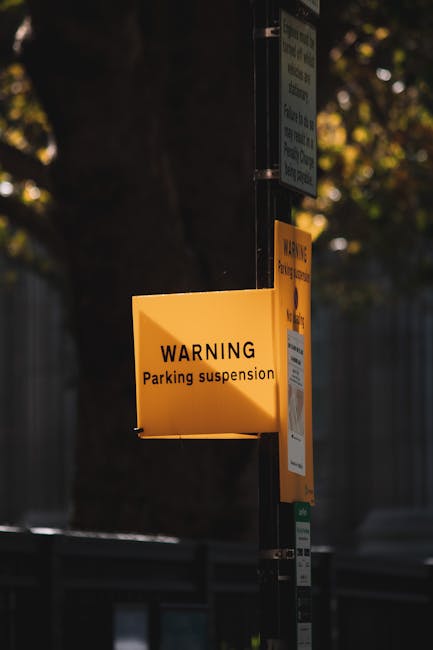
Parking suspensions & fines in Barnet: Removals tips
If you are moving house or shifting office in Barnet, parking can become the part that derails everything. One van is fine. A full removal truck is another story. Add a narrow street, a suspended bay, a forgotten notice, and suddenly you are dealing with delays, annoyed neighbours, and avoidable fines. This guide on Parking suspensions & fines in Barnet: Removals tips walks through what actually matters on moving day, how suspensions tend to work in practice, and how to reduce the chances of your removal being stopped in its tracks. Truth be told, this is one of those small logistics jobs that can save a lot of money and stress.
We will cover the basics, the common mistakes people make, the best way to plan around tight streets, and what to do if your vehicle needs to stop close to the property. You will also find a practical checklist, a comparison table, and a realistic example of how a removal can go right instead of sideways. A calm move is usually a well-planned one. Not glamorous, but very effective.
Table of Contents
- Why it matters
- How it works
- Key benefits and practical advantages
- Who this is for and when it makes sense
- Step-by-step guidance
- Expert tips for better results
- Common mistakes to avoid
- Tools, resources and recommendations
- Law, compliance, standards, or best practice
- Options, methods, or comparison table
- Case study or real-world example
- Practical checklist
- Conclusion
- Frequently asked questions
Why Parking suspensions & fines in Barnet: Removals tips Matters
Parking is not just a convenience issue on a removal day. In Barnet, as in many parts of London, the space outside your property may already be regulated, limited, or shared with residents who rely on it. If a bay is suspended, loading is restricted, or the vehicle is left in the wrong place, the knock-on effects can be immediate: time lost, double handling, extra labour, and possible penalty charges.
For removals, timing matters even more than usual. Boxes are heavy, furniture does not love being carried twice, and a removal crew can only work efficiently when the truck is close enough to the door. Park too far away and even a smooth move starts to feel like a slow parade through the hallway. Not ideal, and honestly a bit exhausting just thinking about it.
Good planning also protects neighbours and your own schedule. When a van is positioned badly, it can block sightlines, narrow the road, or prevent the crew from loading safely. That is where parking suspensions become relevant. They are often used to keep an area clear for works, access, deliveries, or other controlled uses. If your removal day overlaps with one, it is much better to know in advance than to discover it when the driver is already reversing in.
If you are arranging a home move, it can help to coordinate parking and loading with the broader move itself. Services such as home moves support and house removalists are often used by people who want the heavy lifting handled carefully while they focus on the property side of things.
How Parking suspensions & fines in Barnet: Removals tips Works
At a practical level, parking suspensions are temporary restrictions that stop vehicles from using certain bays or sections of road for a set period. They may be used for building works, road maintenance, utility access, filming, or other local needs. For a move, that matters because the available space near your property can change without much notice if you have not checked ahead.
Parking fines usually happen when a vehicle parks in a suspended bay, overstays a loading area, blocks access, or stops where restrictions already apply. The exact wording on a notice can vary, and the details matter. A sign that seems vague at a glance may still be enforceable if it is placed correctly and refers to the right location and date range. That is why moving crews tend to treat parking signs seriously. They have seen enough awkward mornings to know better.
In removals, the best approach is to think in layers:
- Can the vehicle park legally as close as possible to the property?
- Is there a suspension, waiting restriction, or permit issue?
- Will the move need more than one vehicle or a larger truck?
- Is there enough room to load without obstructing traffic or foot access?
There is also a difference between a short stop to load and leaving a vehicle parked for an extended period. That distinction can matter when planning a removal. A crew using a man and van service may be able to work with tighter spaces than a larger team using a removal truck hire arrangement, but even small vehicles need lawful, workable access.
Key Benefits and Practical Advantages
Sorting out parking properly is not just about avoiding fines. It changes the whole feel of the move. You spend less time waiting, the crew works more efficiently, and fragile items are handled fewer times. That alone can reduce damage risk. The benefits are more practical than glamorous, but they are real.
- Fewer delays: A properly planned parking spot means the move starts on time, which is a big deal if you are booking lifts, keys, or access windows.
- Lower risk of penalties: Checking for suspension signs or loading restrictions helps reduce the chance of a parking charge.
- Less physical strain: Shorter carries mean fewer trips up and down stairs, which, let's face it, everyone appreciates by the second wardrobe.
- Better crew efficiency: The team can load in a more orderly way when the vehicle is parked close and safely.
- Cleaner communication: Planning parking early gives everyone the same expectations, which avoids last-minute scrambling.
There is also a quieter benefit: peace of mind. Moving day is busy enough without worrying that the van might be ticketed while you are wrapping crockery in the kitchen. Knowing the parking plan is sorted can make the whole thing feel manageable.
If you are moving an office, this becomes even more important. Staff, delivery vehicles, access routes, and building rules all need to fit together. A service like office relocation services or commercial moves can help align the transport side with building access and business hours.
Who This Is For and When It Makes Sense
This is for anyone in Barnet planning a move that involves street parking, loading near a property, or using a vehicle larger than a car. That includes house movers, flat-sharers, landlords helping tenants out, office managers, small businesses, and anyone calling in a man-with-van for a few bulky items.
It makes sense to think about parking suspensions and fines early if:
- your street is narrow or heavily parked
- you live on a road with permit zones or controlled bays
- the move is during weekday working hours
- the building has restricted access or a shared entrance
- you are arranging a larger vehicle that will need turning space
- there are signs of roadworks, scaffolding, or temporary restrictions nearby
Sometimes the issue is not the removal itself but the furniture. A sofa, wardrobe, or desk can force a crew to stop closer to the kerb for longer. If that is the case, something like furniture pick up may be a better fit for the item than trying to improvise on a crowded street.
To be fair, if your move is in a quieter cul-de-sac with easy access and plenty of legal space, you will have fewer parking headaches. But most Barnet streets are not perfectly convenient, and planning as though they are is where mistakes start.
Step-by-Step Guidance
Here is a practical way to handle parking for a move without turning it into a full-scale mission. It is simple, but simple is good.
- Check the street early. Look for bays, loading rules, yellow lines, suspension signs, and any nearby works. Do this more than once if your move date is still a few days away.
- Measure the access. Think about where the vehicle can stop, where doors open, and whether there is enough room for the team to work safely.
- Match the vehicle to the job. A smaller vehicle may be easier on a tight street, while a larger truck can be more efficient if the space is suitable.
- Plan the loading order. Put the biggest and heaviest items near the door first, so they can be taken out quickly when access is open.
- Confirm the timing. If you have keys at a certain hour, or a building manager only allows access in a window, make the parking plan fit that window.
- Leave a buffer. A few extra minutes at the start can save a lot of stress if traffic or neighbour parking makes the first attempt awkward.
- Brief everyone involved. The mover, the driver, and whoever is meeting keys should all know the same plan. Small mismatch, big headache.
A sensible move often depends on good packing as much as parking. A well-packed property is quicker to load, which shortens the time the vehicle needs to stay in one place. If you want help with that side too, have a look at packing and unpacking services. It is one of those services that feels optional until you are staring at an open kitchen at 7:45 a.m. with two rolls of tape and a mild sense of panic.
Expert Tips for Better Results
Here is where experience helps. The most successful removals tend to be the ones that think ahead about the annoying little details, not just the obvious ones.
Tip 1: Treat parking as part of the move, not a side issue. If you leave it until the morning, you are already on the back foot. Build it into your move plan from the beginning.
Tip 2: Keep the walk from vehicle to property short. Even a short distance matters when you are carrying awkward items. Fewer turns, fewer bumps, fewer surprises.
Tip 3: Choose the right vehicle size for the road. A large lorry is great when there is room, but on a very tight street a more compact vehicle may save time overall. Sometimes the smallest practical option is the smartest one.
Tip 4: Watch for temporary changes. A street that seemed fine last week might now have cones, a bay suspension, or a contractor's notice. Roads change. Annoyingly often.
Tip 5: Keep paperwork and contact details handy. If a building manager, permit contact, or driver needs to confirm access, you want that information within reach, not buried in a message thread somewhere.
Tip 6: Think about the ending, not only the start. Where will the van go once the load begins? Where can it wait if you need a second trip? Little things like that keep the day from feeling chaotic.
In our experience, people underestimate how much calmer a move feels when the vehicle is parked properly from the beginning. The whole tone changes. Less rushing. Less muttering. More progress.
Common Mistakes to Avoid
Most parking problems on removal day come from familiar mistakes, and they are usually avoidable.
- Assuming the space is free: Never assume a bay is usable just because it looks empty.
- Ignoring temporary signage: A sign for a suspended bay or access restriction is easy to miss when you are focused on boxes, but missing it can be costly.
- Arriving without a parking plan: Turning up and hoping for the best is rarely a strategy, despite how often people try it.
- Booking the wrong vehicle: A van that is too large may not fit, while one that is too small may require extra trips and more parking exposure.
- Forgetting the time window: If access is only available for a certain period, the parking arrangement needs to match it closely.
- Not informing neighbours or building staff: This can lead to complaints or blocked access just when you need smooth movement.
One less obvious mistake is overpacking the load plan. If everything is crammed into the back of the van with no order, the team may need more time on the street to rearrange things. That is exactly the kind of delay that turns a manageable situation into a frustrating one.
Another one? Leaving the best parking spot for later. It sounds harmless. Then someone else takes it, and you are left doing the removal equivalent of a three-point turn in a bad mood.
Tools, Resources and Recommendations
You do not need fancy tools, but a few simple things make a genuine difference.
- Phone notes: Keep the move date, arrival time, key collection time, and any parking notes in one place.
- Camera photos: Take pictures of signs, bay markings, and street conditions in case you need to double-check what was there.
- Printed instructions: Useful if several people are involved and not everyone keeps checking messages.
- Packaging materials: Strong boxes, tape, labels, blankets, and wrap reduce the time items spend sitting on the pavement.
- Vehicle-size planning: If you are unsure what you need, compare the size of the load to the access at the property before booking.
For many moves, a man with van service can be the best middle ground when access is tight and the load is modest. For bigger jobs, a moving truck may be more efficient if the street can handle it. The right choice usually depends on access first, and volume second.
If you are still comparing options, it can also help to look at the company's wider approach and service fit. Information on about us can be useful when you want to understand how a provider works, and contact us is the sensible next step if you need to check whether a move plan is realistic for your street.
Law, Compliance, Standards, or Best Practice
Parking suspensions, loading restrictions, and penalty notices are all areas where details matter. It is wise to follow the official signs and any instructions provided by the relevant authority or property manager. This article is not legal advice, and moving circumstances can differ from one street or building to another.
As a general best practice in the UK, removal planning should respect:
- local parking signs and bay markings
- temporary suspension notices
- loading and waiting restrictions
- building access rules
- safe loading and unloading practices
There is also a common-sense standard that gets overlooked: if an arrangement feels unclear, pause and verify it before the move starts. That may mean checking the street again, speaking to a building contact, or adjusting the vehicle plan. It is far better to spend ten minutes confirming than ten days arguing over a fine later.
For business moves, compliance matters even more because blocked access can affect staff, customers, and deliveries. A careful commercial moves plan, or a structured office relocation services arrangement, should account for building rules, access windows, and parking constraints as part of the job, not as an afterthought.
Options, Methods, or Comparison Table
If you are deciding how to handle a move in Barnet, the main question is usually not "can we move?" but "what is the least painful way to move with the parking we actually have?" This comparison may help.
| Option | Best for | Parking impact | Typical benefit | Possible downside |
|---|---|---|---|---|
| Small van / man and van | Light to medium loads, tight streets | Lower | Easier to position near the property | May need more trips |
| Medium or large moving truck | Full-house moves with good access | Higher | More efficient loading in one go | Harder to place on narrow roads |
| Removal truck hire | Self-managed moves with a bigger load | Varies | Flexibility and control | Requires stronger planning discipline |
| Professional removal team | Busy moves, stairs, heavier furniture | Usually lower stress | Better coordination and speed | Cost can be higher than DIY |
The choice often comes down to space, time, and how much lifting you want to do yourself. If your street is awkward, a more agile setup may outperform a larger vehicle, even if the larger one looks more impressive on paper.
Case Study or Real-World Example
Here is a simple, realistic example. A couple moving from a first-floor flat in Barnet had a removal day booked for a Friday morning. The street had resident bays, a couple of loading spaces, and occasional congestion from local traffic. Nothing dramatic. Just enough to matter.
Instead of assuming the loading space would be free, they checked the street the evening before and again early on the day. They noticed a temporary suspension sign near the exact stretch they had planned to use. Because they had time, they adjusted the vehicle position slightly, informed the removal team, and kept the crew's carry route short. The result was boring in the best possible way: no scramble, no last-minute reshuffle, and no fine.
That is the kind of move people rarely talk about later, because nothing went wrong. Which is exactly the point. The smooth jobs usually feel almost uneventful. The drama is what gets remembered, but the calm day is the one you want.
In a different scenario, a small business moving stock and desks from an office unit might find that a packing and unpacking services add-on saves enough time that the loading bay is used within the permitted window. Small improvement, big difference. Funny how that works.
Practical Checklist
Use this before the moving vehicle arrives. It is quick, but it catches a lot.
- Check whether any parking bay or road section is suspended
- Look for temporary signage near the exact loading point
- Confirm the move time against any access window
- Choose a vehicle size that fits the street
- Plan the shortest safe carry route from van to door
- Tell everyone involved where the vehicle will stop
- Keep keys, instructions, and contact details handy
- Protect floors, walls, and doorways for quicker loading
- Label boxes so unloading is organised, not random
- Build in a buffer for traffic, parking, and access delays
Practical summary: if you only remember one thing, remember this: parking for a removal is not about finding the nearest space. It is about finding the nearest lawful, workable space that keeps the move moving. Slight difference, huge payoff.
Conclusion
Parking suspensions and fines can feel like a side issue, but on removal day they quickly become central. A move that starts with unclear parking often ends with wasted time and unnecessary stress. A move that starts with a clear parking plan is usually calmer, faster, and easier on everyone involved.
The best removals in Barnet are rarely the most complicated. They are the ones where the practical details were handled early: the vehicle choice, the access route, the timing, and the space outside the property. Get those right and the rest becomes much more manageable. Sometimes the difference between chaos and control is just one well-placed van.
If you are planning a move and want to avoid the usual parking headaches, take the time to map out access now rather than later. It is a small bit of effort that pays off on the day, and it can make the whole experience feel a lot less heavy.
Get a free quote today and see how much you can save.
And if all else fails, a little planning plus a bit of patience usually wins the day. Not always tidy. But it works.
Frequently Asked Questions
What should I check first before parking a removal van in Barnet?
Start with the nearest bay markings, temporary suspension signs, loading restrictions, and any local access limits. Check the exact stretch of road, not just the general area, because rules can change from one section to the next.
Can a suspended bay be used for loading during a move?
Usually not unless the suspension or notice explicitly allows it, and that is something you should never assume. If the sign is unclear, treat it as restricted until you have confirmed otherwise.
How far in advance should I plan parking for a move?
As early as you can. A few days ahead is sensible for a home move, and earlier still for busy roads or office relocations. The more complicated the access, the earlier the parking plan should be sorted.
Is a man and van better than a larger truck for tight Barnet streets?
Often, yes. A smaller vehicle can be easier to position on narrow roads and may reduce parking pressure. That said, the right choice depends on the amount of furniture and how many trips you are willing to make.
What happens if the van gets a fine during the move?
It can create delay and extra cost, and it may also slow the crew down if they need to reposition the vehicle. The best answer is prevention: check signs, plan parking, and avoid stopping where restrictions apply.
Do office moves need the same parking checks as house moves?
Yes, and sometimes more. Office moves often involve loading bays, building rules, customer access, and time-sensitive logistics. Parking can be the difference between a smooth transfer and a very long day.
How can I reduce the amount of time the vehicle needs to stay parked?
Pack well, label items clearly, clear walkways before the crew arrives, and keep the carry route short. Efficient loading reduces the time the vehicle is on the street, which is good for both access and stress levels.
Should I tell neighbours about the removal van?
If the street is tight or the parking is likely to affect nearby vehicles, yes, that is often a good idea. A simple heads-up can prevent conflict and make it easier to keep the space you need.
What if I am moving furniture only, not a full house?
Even then, parking matters. A sofa, bed, wardrobe, or desk still needs room near the property. For single-item or small-load moves, a furniture collection or compact van arrangement can be more practical.
Can packing services help with parking problems?
Indirectly, yes. Faster and better-organised packing can reduce loading time, which means the vehicle does not need to remain parked for as long. That can help keep the move within a tighter access window.
What is the biggest mistake people make with removal parking?
Assuming the space will be available and legal on the day. That one assumption causes a surprising amount of trouble. Checking the exact location in advance is much safer.
Where can I get help if I am unsure about my move setup?
If you are unsure, speak to the moving provider before the day and explain the street, property type, and vehicle size you think you need. A clear conversation early on is usually far better than an improvised fix on moving morning.