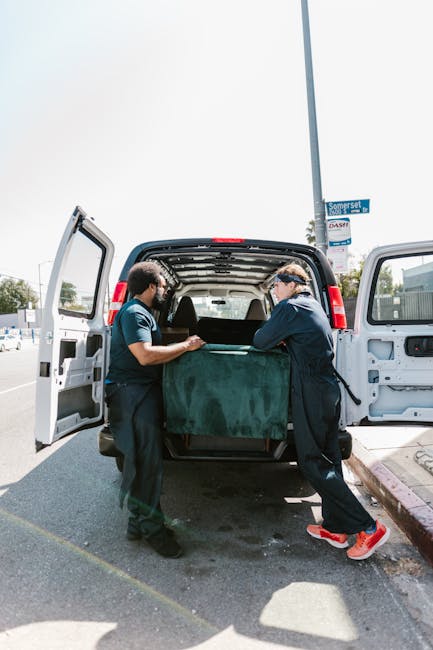
Barnet High Street removals timing tips for smooth loading

If you are planning a move along Barnet High Street, timing is not a small detail. It can be the difference between a calm, efficient loading process and a morning full of double-parking worries, bottlenecks, and awkward pauses while everyone waits for a gap in the traffic. The best Barnet High Street removals timing tips for smooth loading are really about one thing: giving your crew enough room, enough daylight, and enough breathing space to work without feeling rushed.
That sounds simple, but in a busy high street setting it takes a bit of thought. Shop deliveries, school runs, pedestrian flow, bin lorries, and the usual London stop-start rhythm can all slow things down. This guide breaks the process into practical steps so you can load faster, reduce stress, and avoid the little issues that have a habit of becoming the big ones at 8:15 in the morning.
We will look at when to schedule your move, how long loading really takes, what to pack first, how to prepare the property and the truck, and which mistakes are most likely to cause delay. You will also find a checklist, a comparison table, and a realistic example from a typical high street move. Straightforward advice, no fluff.
Quick takeaway: for a Barnet High Street move, the smoothest loading usually comes from an early start, tidy access, clearly staged boxes, and a plan that respects local traffic patterns rather than fighting them.
Why Barnet High Street removals timing tips for smooth loading Matters
Loading is one of those parts of moving that looks easy from a distance. In reality, it is where the whole day can either settle into a good rhythm or go slightly sideways. On a busy street, timing matters because the environment is already working against you a bit. Cars come and go. People step around trolleys. Doorways are shared with neighbours, customers, or delivery vans. The space you need feels smaller than it looked on the survey.
Good timing matters for three main reasons. First, it protects access. If the vehicle arrives when the street is quieter, there is usually less pressure on kerb space and less risk of the loading area being blocked. Second, it keeps the crew moving. Removal teams work better when they are not pausing every two minutes to let someone pass or to reset a box stack. Third, it reduces stress for you. And honestly, that matters just as much. Moving day is full enough already.
There is also a practical financial angle, even if we avoid pretending everything can be reduced to numbers. Delays can create overtime, extra waiting, or a domino effect across the rest of the day. A well-timed load helps the whole job stay on track. If your move involves a man and van service or a larger moving truck, the right timing becomes even more valuable because vehicle positioning and trip efficiency matter more when the street is busy.
To be fair, timing is not about perfection. You are not trying to control Barnet High Street with a stopwatch. You are simply choosing the window that gives you the best odds of an orderly, safe, and efficient load.
How Barnet High Street removals timing tips for smooth loading Works
The basic idea is easy: plan the loading window around the street, not just around your own schedule. A move might be booked for 9:00 a.m., but the loading itself depends on access, parking, the amount of furniture, the number of floors, and whether packing is finished before the vehicle arrives. In a high street environment, those factors all interact.
Usually, the smoothest loading process follows a sequence like this:
- The crew arrives and checks the access point, vehicle position, and carrying route.
- Small loose items and boxed belongings are moved first to create order and space.
- Larger furniture is loaded once the path is clear and the protected floors are in place.
- Final checks are made for overlooked items in cupboards, lofts, and storage spaces.
- The vehicle is secured, and the team confirms the load is balanced and ready to travel.
That sounds tidy. In real life, a few minutes can disappear if parking is awkward or if someone is still taping a box shut when the van is already waiting. That is why timing and preparation go hand in hand. A good removals team can work quickly, but they still need the right moment to start.
If you are moving home, services such as home moves or house removalists are often easiest to manage when you schedule loading early in the day and make sure the property is fully prepared the night before. If the move is commercial, commercial moves and office relocation services often benefit from even tighter timing because staff handovers and business opening hours add another layer of pressure.
One small thing that often gets overlooked: loading is not just about lifting. It is about flow. A clear path from door to vehicle is worth a lot more than people realise.
Key Benefits and Practical Advantages
When the timing is right, you feel the difference almost immediately. The job looks calmer. People are less likely to interrupt each other. Boxes move in a steady line rather than in rushed bursts. It is the kind of move where you look up after half an hour and think, right, this is actually going well.
- Fewer access problems: a better arrival window can mean easier kerbside positioning and less delay while waiting for space.
- Faster loading: the crew spends more time carrying items and less time managing obstacles.
- Lower stress: you are not juggling keys, traffic, and last-minute packing all at once.
- Better item safety: smoother loading usually means fewer drops, bumps, and awkward turns at the threshold.
- Improved crew efficiency: a good sequence keeps the team working in sync instead of stopping and starting.
- Less disruption to neighbours or businesses: especially helpful on a busy high street where people are coming and going all day.
There is also a subtle benefit that people forget. A well-timed move tends to feel more predictable, and predictability is gold on moving day. Once you have momentum, everything gets a little easier: the packing, the lifting, the wrapping, the decision-making. Funny how that works.
If you are weighing service options, a man with van setup can be ideal for lighter loads and tighter access, while removal truck hire is often better when you have a substantial load and want fewer trips. Timing helps both, but the exact window matters more as the load size grows.
Who This Is For and When It Makes Sense
These timing tips are useful for almost anyone moving on or near Barnet High Street, but they are especially relevant if your property sits in a busier stretch where foot traffic and traffic flow are both active. Ground-floor flats, terraced houses with narrow access, small offices, retail units, and mixed-use buildings all benefit from a more considered schedule.
You will get the most value from this approach if:
- you are moving during the morning rush or a busy trading period;
- your property has limited parking or a narrow frontage;
- the move involves heavy furniture or a large number of boxes;
- you need to avoid disturbing neighbouring businesses or residents;
- you are using a medium or large vehicle that needs a clear loading position;
- you have children, pets, staff, or clients to manage during the move.
It also makes sense if you are moving items into storage or arranging a partial move. A service like packing and unpacking services can save a lot of time in the final stretch, especially when you do not want the last few rooms holding up the whole vehicle. And if you are shifting a few bulky items rather than an entire property, furniture pick up can be a practical way to keep the move efficient.
Truth be told, the people who benefit most are usually the people who think they have "just a small move". Those are the jobs where timing gets brushed aside, and then somehow the morning disappears. It happens.
Step-by-Step Guidance
Here is a simple way to organise timing for smoother loading on Barnet High Street. No drama, just a structure that works.
1. Choose the quietest workable window
Early mornings are often the safest bet for busy streets because there is less pedestrian traffic and fewer competing deliveries. That does not mean dawn for every move. It means aiming for the earliest realistic slot that suits your access, neighbours, and packing progress. If you need extra time for dismantling furniture, build that in. Do not pretend it will magically take five minutes.
2. Finish packing before the vehicle arrives
This one sounds obvious, but it is one of the most common causes of delay. Boxes should be sealed, labelled, and ready to go. Soft items should already be bagged or bundled. Anything that can be carried should be waiting in one staging area. Once the crew arrives, the job should be to load, not to hunt for tape.
3. Clear a direct path from property to vehicle
Remove loose mats, small stools, plant pots, and anything else that catches feet or slows the flow. If the entrance is narrow, choose the route in advance and keep it free. You want a straight, obvious line from the door to the truck. Little by little, those two or three spare seconds per trip add up.
4. Reserve the loading area if appropriate
If your move allows it and the arrangements are in place, make sure the loading spot is not competing with ordinary parking. The aim is not to block the street; the aim is to avoid avoidable waiting. Where possible, position the vehicle so the carrying route is short and safe.
5. Load in the right order
Heavy or awkward items usually go in first, followed by stacked boxes, then lighter and more fragile items placed securely around them. That order is not absolute, but it keeps the process tidy. A well-planned load is easier to stack, easier to secure, and easier to unload at the other end.
6. Keep one person in charge of decisions
Have one clear point of contact for questions. Who should decide if a cabinet is too large to move as-is? Who answers if the van needs repositioning? If everyone is "sort of" in charge, time slips away. One calm decision-maker helps the whole process.
7. Do the final sweep before departure
Check cupboards, under sinks, utility rooms, loft access, and behind doors. On moving day, small items hide in plain sight. It is always the last five minutes when someone finds the kettle or the spare charger. Annoying, but normal.
Expert Tips for Better Results
After plenty of moving days, a pattern shows up. The best loading sessions are rarely the ones with the most people; they are the ones with the clearest plan. Here are a few practical tips that make a real difference.
- Start with the bottleneck: if the hallway or stairwell is tight, solve that first. Do not let it become the speed limit for the whole move.
- Use coloured labels or room labels: even simple labels help the unloading side and prevent confusion when the vehicle is packed tightly.
- Keep fragile items separate: fragile items should not be the "we'll sort that later" pile. Later is when things get broken.
- Stage items by size: large, medium, and small groups help the crew pick and load more efficiently.
- Protect corners and floors early: it saves time compared with stopping halfway through because someone spotted damage risk.
- Build in a buffer: give yourself more time than you think you need. A 20-minute hiccup is common enough to plan around.
Another tip that sounds tiny but helps a lot: keep water available. People get tired faster than they expect, especially if it is warm or if the property has a long stair carry. A quick pause for a drink is not wasted time. It often prevents messy mistakes.
If your move is business-related, an office relocation or a broader commercial move usually works best when loading is scheduled to avoid client-facing hours. For some businesses, that means very early loading; for others, it means a staged move over several hours. Choose the route that keeps your operations steady, not just the one that looks neat on paper.
Common Mistakes to Avoid
Most loading delays come from a few predictable habits. The good news? They are easy to avoid once you know what they are.
- Booking too late in the day: later slots can be fine, but on a busy high street they often create more friction with traffic and parking.
- Leaving packing until the morning: this is the classic one. It feels manageable until it very much isn't.
- Underestimating access problems: a staircase, narrow doorway, or awkward kerb can add more time than expected.
- Not measuring large items: if a sofa barely fits through the doorway, you need to know that before the truck arrives.
- Allowing too many people to direct the move: too many voices can slow the team down, even with the best intentions.
- Ignoring weather: rain, wind, or slippery pavements can slow carrying and make loading less safe.
- Forgetting to confirm parking arrangements: if the vehicle has nowhere sensible to sit, the whole move becomes harder.
One slightly cheeky truth: people often think the last 10 percent of packing will take 10 percent of the time. It rarely does. More like 40 percent. Maybe 50 if there is a mystery box room involved.
Tools, Resources and Recommendations
You do not need fancy equipment to make a high street move run well. But a few practical tools can save time and keep the loading line moving.
- Strong tape and spare boxes: useful for last-minute reinforcement and unexpected overflow.
- Permanent marker pens: simple, reliable labelling saves confusion later.
- Furniture blankets and covers: they help reduce bumps and scuffs during loading.
- Hand truck or sack truck: valuable for box-heavy moves and heavier household items.
- Door protectors and floor covers: especially helpful where space is tight and footfall is constant.
- Plastic bags or tie wraps: good for cables, hardware, and loose accessories.
For some moves, extra support makes all the difference. If you are moving a substantial amount of furniture or need a larger vehicle, removal truck hire can be a sensible choice. If you are still comparing options for a smaller move, a flexible man with van service is often easier to coordinate in a tighter street setting.
If you want to understand the company behind the service, it can also be worth reading about the team's approach on the about us page. And if you are at the point of planning dates or asking practical questions, the contact us page is the sensible next stop.
Law, Compliance, Standards, or Best Practice
For a local move like this, the main compliance concerns are practical rather than dramatic. The exact rules can vary depending on parking restrictions, loading bays, property type, and any building management requirements. So the safest approach is to check the arrangements that apply to your specific street and property rather than assuming "it'll be fine".
Common best-practice points include:
- do not block access routes more than necessary;
- keep footpaths clear and safe for pedestrians;
- use sensible manual handling techniques for heavy items;
- protect shared areas in flats or mixed-use buildings;
- communicate timing clearly with neighbours, landlords, or managing agents where relevant;
- make sure the crew knows about any access limits before the move starts.
In London, a little planning goes a long way because street conditions change quickly. Delivery vehicles, service access, and busy footfall can all alter the pace of the day. The right move is the one that respects the street and the people in it. That is the real standard, if you like.
When moving day involves a property with sensitive access or multiple stakeholders, written confirmation of time, access notes, and any special instructions is best practice. Not exciting, admittedly, but very helpful when someone later says, "I thought the gate was being left open."
Options, Methods, or Comparison Table
Choosing the right timing method depends on the size of your move, the level of street activity, and how much help you have. Here is a simple comparison to make the decision easier.
| Approach | Best for | Strengths | Watch out for |
|---|---|---|---|
| Early morning loading | Busy high street moves, tighter access, family homes | Usually calmer traffic, more predictable access, less pedestrian congestion | Requires proper preparation the night before |
| Mid-morning loading | Moves needing a little extra prep time | Useful if packing finishes later; can still work well on quieter days | May overlap with busier street activity |
| Staged loading | Large homes, offices, mixed loads | Reduces pressure, allows difficult items to be handled carefully | Needs strong coordination and a clear order of operations |
| Single-sweep loading | Smaller flats or well-packed properties | Fast, efficient, less repeated movement | Only works if everything is ready before the crew arrives |
For many Barnet High Street moves, the early morning option wins simply because it removes some of the daily noise from the equation. That said, if your property is already fully staged and your access is straightforward, a mid-morning slot can work just fine. The right answer is the one that fits your move, not the one that looks neat in theory.
Case Study or Real-World Example
Imagine a small two-bedroom flat above a shop on Barnet High Street. The family has a fair amount of furniture, a buggy, several boxes of books, and a couple of awkward items like a tall mirror and a shelf unit. The street is lively by 9:30 a.m., with deliveries coming and going and people stopping at nearby shops.
Instead of booking a later slot, they choose an early start. The night before, they finish packing, label the rooms, clear the hallway, and place the most fragile items in one corner ready for first loading. They also measure the larger furniture and make sure the route to the front door is clear. Nothing fancy. Just preparation.
On the day, the crew arrives early enough to position the vehicle before the street gets busier. Boxes go out first, then smaller furniture, then the awkward items once the carrying route is fully clear. Because the load is staged properly, there is no scrambling for tape, no searching for the last box of kitchenware, and no awkward hold-up while someone tries to move a chair that should have been disassembled earlier.
The result? A calmer handover, less noise at the doorway, and a move that feels organised rather than frantic. Not perfect, no move ever is, but smooth enough that everyone can breathe again when the doors finally close. That matters.
Practical Checklist
Use this checklist the day before and the morning of the move. It keeps the process simple, which is honestly what most people need.
- Confirm the arrival time and expected loading window.
- Make sure all boxes are sealed and clearly labelled.
- Measure any large furniture that may need dismantling.
- Clear hallways, stairs, and the front path.
- Protect floors, door frames, and corners where needed.
- Set aside essentials you do not want loaded by mistake.
- Keep keys, documents, and chargers in one safe place.
- Arrange parking or loading access in advance where possible.
- Prepare water and a quick snack for the team and yourself.
- Do one final walk-through of every room, cupboard, and storage space.
If you are moving a business, add a few extra items: notify staff of the timing, protect computers and files, and decide who signs off on the final sweep. If you are moving a home, keep children and pets away from the loading route where possible. That single decision can remove a surprising amount of chaos.
Conclusion
Getting Barnet High Street removals timing right is less about chasing a perfect schedule and more about creating the conditions for calm, steady loading. A sensible start time, tidy access, properly packed items, and a clear plan all reduce friction. Put together, they make the whole day feel lighter.
That is the real goal, after all. Not to turn moving day into a celebration, because let's be honest, nobody is doing cartwheels over cardboard boxes. The goal is to make it manageable, safe, and efficient so you can get through the move with your energy intact and your belongings in good shape.
If you are planning a home move, office move, or a smaller furniture collection on or near Barnet High Street, take the time to plan the loading window properly. Future-you will be grateful, and probably a lot less tired.
Get a free quote today and see how much you can save.
Frequently Asked Questions
What is the best time of day for smooth loading on Barnet High Street?
Early morning is often the easiest option because traffic and pedestrian movement are usually lighter. That said, the best time depends on your property, parking access, and how fully packed everything is before the crew arrives.
How long should loading take on a typical high street move?
It depends on the size of the property, the number of stairs, the amount of furniture, and street access. A small move can be surprisingly quick if everything is ready, while a larger or awkward property can take much longer. Planning matters more than guessing.
Should I book a morning or afternoon slot?
Morning slots often work better for busy streets because there is less interference from deliveries, shoppers, and general daytime traffic. Afternoon slots can still work, but they sometimes leave less room for delay if the morning runs long.
Do I need to finish all packing before the removal team arrives?
Ideally, yes. The more you have packed and staged beforehand, the smoother loading will be. Last-minute packing is one of the biggest causes of delay, and it tends to snowball when everyone is waiting on one unfinished room.
How can I make loading faster on a narrow street?
Clear the route from the property to the vehicle, choose the shortest safe carrying path, and make sure the loading area is sorted out in advance. Group items by room and size so the crew can work in a steady flow.
Is a man and van service suitable for Barnet High Street moves?
Yes, for smaller or lighter moves, it can be a very practical choice. It is often easier to coordinate in a tighter street setting and can work well when you do not need a large truck.
What if parking is limited near my property?
Then timing becomes even more important. You may need to choose the quietest possible window and make sure the vehicle has a realistic place to stop. Good communication and preparation help prevent delays caused by parking problems.
Should heavy furniture be loaded first?
Usually, yes. Large and heavy items are often loaded first so they can be positioned securely and used as part of a stable load. The exact sequence can vary, but a sensible order makes the whole vehicle easier to pack.
What should I do if the move is tied to business opening hours?
For commercial moves, plan the loading window around trading hours, staff access, and the need to avoid disruption. It may help to stage the move or choose a very early slot so the premises are ready before the day begins.
How do packing and unpacking services help with loading timing?
They reduce the amount of last-minute work that can hold up the crew. If items are packed properly and rooms are organised in advance, loading tends to move faster and with fewer pauses.
What are the most common reasons loading gets delayed?
Late packing, blocked access, underestimating the amount of furniture, unclear parking arrangements, and too many people giving directions are the usual suspects. None of them are dramatic on their own, but together they can easily slow the day.
Is it worth using removal truck hire for a busy high street move?
It can be, especially if you have a larger load and want to reduce the number of trips. A bigger vehicle can work well when access is clear and the move is organised from the start.
Where can I ask questions before booking?
If you want to talk through timing, access, or the best setup for your move, the safest next step is to use the contact us page and ask for guidance based on your exact situation.
And if you want to understand more about the company before moving ahead, the about us page is a useful place to start. Sometimes a quick read saves a lot of back-and-forth later.